


Australia doesn’t have a shortage of politicians. It has a shortage of visionaries.
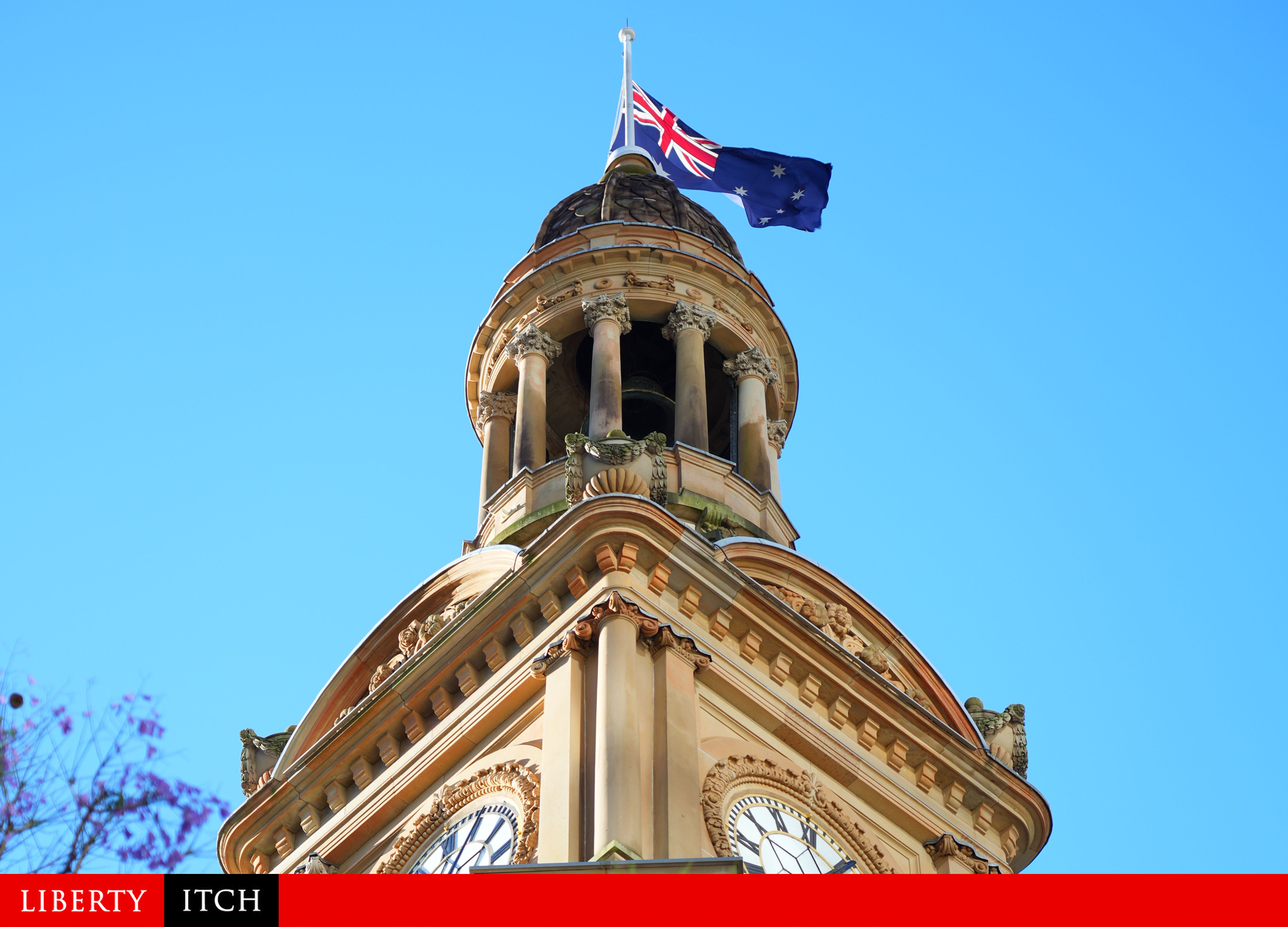
We have thousands of federal and state MPs, political staffers, advisers and consultants, and tens of thousands of bureaucrats, supported by polling, focus groups, research departments and think tanks.
Yet ask one simple question: what should Australia look like in 2050?
Silence.
Not what our emissions target should be. Not how many houses we’ll build next year. Not the migration number. Not another subsidy, rebate or government program.
What sort of country are we actually trying to build?
And here’s the question that interests me even more: why aren’t genuinely visionary Australians attracted to politics anymore?
Australia hasn’t simply developed a leadership vacuum. We may have built a political system that discourages leaders from entering it.
Whatever you think of Hawke and Keating, they knew where they wanted to take Australia. Open the economy, make it internationally competitive, engage with Asia, and modernise the country.
Howard had a different vision: enterprise, aspiration, home ownership, family, fiscal responsibility, secure borders and confidence in Australian institutions.
You could disagree with both. But at least there was something substantial enough to disagree with.
Compare that with today’s Labor and Liberal parties. Politics is increasingly administration with advertising.
Another housing program. Another energy subsidy. Another infrastructure announcement. Another target. Another review explaining why the previous target wasn’t achieved.
The two major parties argue ferociously about who should manage the machine. Far fewer people ask whether the machine is heading in the right direction.
Maybe the problem isn’t simply the politicians. Maybe our political system increasingly selects against visionaries.
Think about the pathway: Join a party; navigate the factions; win friends; win preselection; don’t say anything too controversial; learn the approved language; raise money; survive opposition research; stick to the talking points; don’t embarrass the leader; don’t frighten marginal-seat voters.
Survive that process for long enough and you might eventually run the country.
Where exactly was the test for leadership? Where was the test for courage?
Where did we ask whether you’ve ever built anything, employed anyone, risked your own money, created a product, managed a crisis, or made a decision knowing your own livelihood depended on getting it right?
Now look at it from the other direction.
Imagine a successful 50-year-old business owner, engineer, farmer, surgeon, scientist or community leader. Why would they enter politics?
Potentially sacrifice their career. Expose their family to scrutiny. Have everything they’ve said over thirty years searched for a headline. Navigate party pre-selections and internal factions, then discover that independent thinking isn’t regarded as an asset once they’ve arrived.
It’s hardly surprising many accomplished Australians say, “No thanks.” And that creates a dangerous cycle. Politics becomes a profession.
Staffer becomes adviser. Adviser becomes candidate. Candidate becomes MP. MP becomes minister. The minister is suddenly responsible for an industry they may never have worked in and don’t know much about.
That’s not an attack on every career politician. Some are extremely capable. It’s an attack on a system that increasingly mistakes political experience for life experience. Both major parties are guilty of it.
And perhaps that helps explain One Nation’s resurgence. Whether you agree with Pauline Hanson or not, voters know what she believes. After thirty years they don’t require a focus group to decipher it.
Recent polling suggests that authenticity matters. One Nation supporters overwhelmingly tell researchers that Hanson speaks for ordinary Australians, while broader surveys reveal extraordinary levels of disconnection from conventional politics.
That’s something Labor and the Coalition should think about before dismissing One Nation voters as angry, ignorant or temporarily disaffected. People are searching for conviction.
One Nation now talks about Australian energy, resources, manufacturing, fuel security and economic sovereignty as connected issues. Its fuel policy, for example, argues that dependence on overseas refining is an economic and strategic vulnerability.
Agree or disagree. It’s an argument about what sort of country Australia should be.
The two major parties argue ferociously about who should manage the machine. Far fewer people ask whether the machine is heading in the right direction.
Meanwhile Australia faces enormous thirty-year questions.
How many people should live here? How will we house them? What will we manufacture? How will we power ourselves? How do we increase productivity? How do young Australians buy homes? What sovereign capabilities must we retain? How do we fund an ageing population? How dependent should we be on China economically and America strategically?
And here’s one that politicians particularly dislike: what should government stop doing?
These aren’t three-year questions; they’re thirty-year questions being answered three years at a time.
But voters carry responsibility too. We demand lower taxes and better services. Cheaper houses and ever-rising property values. Cheap energy and no generation infrastructure nearby. Higher wages and cheaper products. Smaller government while preserving every program that benefits us personally.
Leadership occasionally requires saying: you can’t have everything.
Australia remains one of the luckiest countries on Earth. Resources, agriculture, skills, institutions, capital and proximity to Asia. We don’t lack opportunity.
We lack a destination.
Maybe Australia’s next great political leader is already in Parliament. Maybe they’re in business, running a farm, designing something, teaching apprentices or building a company.
Perhaps they’ve never seriously considered politics. And maybe that’s the real problem.
Australia hasn’t simply developed a leadership vacuum. We may have built a political system that discourages leaders from entering it. Until we change that, we’ll keep arguing about the next twenty-five minutes while the next twenty-five years quietly arrive.

I think the most interesting point in this article is the opportunity it presents for people with genuinely big ideas.
The problem identified is not simply a shortage of politicians, but a shortage of people prepared to think beyond the next election cycle and imagine the country they want to build.
From a libertarian perspective, that creates an extraordinary opportunity.
A political movement built around individual freedom, independent thought and personal responsibility can provide a place where people are encouraged to think for themselves — rather than simply conform to an established political script.
Imagine an entrepreneur, scientist, farmer, engineer, teacher or community leader entering Parliament with a genuinely bold vision of what Australia could become — and having the freedom to pursue that vision.
Politics needs fewer people asking how to manage the existing system, and more people asking what kind of society free individuals could build if given the freedom to create, innovate and aspire.
That is the promise of libertarianism: not a blueprint for what every person must become, but a pathway that gives individuals the freedom to imagine what could be — and the opportunity to lead us there.
Libertarianism doesn't put a ceiling on human ambition.
It opens the door to it.