


As part of the recent moral panic regarding social media and online communities, there are proposals in Germany to introduce a requirement to use real names on social media under the guise of reducing online abuse and encouraging civility and accountability.
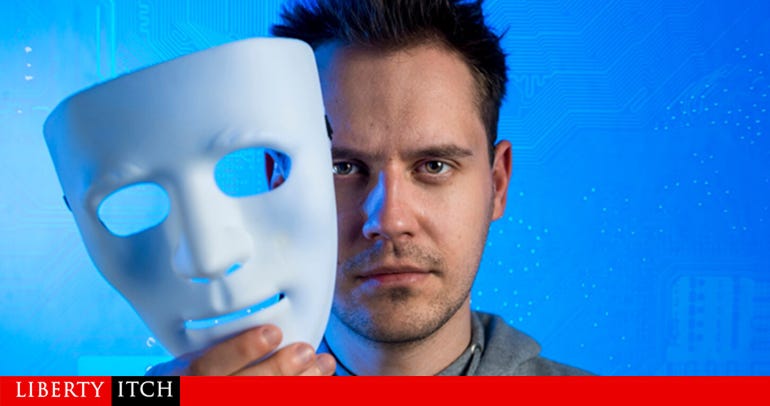
Real name policies have long been associated with authoritarian regimes such as China, where users of a website are required to register their account under their real name and hence lose any anonymity and privacy. If implemented in Germany, it will most certainly spread to other Western countries.
Victims of stalking and domestic violence will pay a significant price by being forced to choose between safety (often life or death) and connection with others. Even if this demographic was to be granted a legal exemption, proving and getting police to believe that you are a victim of stalking or domestic violence isn’t always guaranteed.
Real name requirements aren’t just invasive, but they are also ineffective.
The policy will have a chilling effect on expression and will be used by governments to target and punish those with dissenting political views including activists, journalists and whistleblowers. This is especially relevant given the recent increase in arrests in Western countries over what people have said online. Foreign students and refugees from repressive regimes would be at a heightened risk of repression and tracking from abroad.
The chilling effect would go further than just political discussions. Those who are HIV positive, those who need to keep their sexuality secret, and people struggling with addiction and mental health issues would be forced to either suffer in isolation or out themselves publicly and risk real world discrimination to get help and support online. People who have a reasonable interest in keeping their personal and professional lives separate would be placed in precarious positions; for example, a teacher with non-child friendly interests such as BDSM.
There are also practical considerations. For example, some platforms such as Discord require users to have a unique username. If you happen to be one of many people called Tom White, would you be barred from Discord because another Tom White beat you to it, or would you be able to add letters and numbers that aren’t part of your name?
Would variations of names be allowed? I personally go by both Jess and Jessica. Would I be required to be Jessica in all online spaces? Should I assume going by a nickname online would be illegal? Would real name requirements extend to online gaming and role-playing usernames such as for World of Warcraft or online DND? If yes, being forced to use your real name rather than picking a fun fantasy name for your online avatar would ruin some of the fun.
Would those who are transgender but are yet to legally change their names be forced to use their legal name online? This reminds me of a situation involving a friend who is a detransitioner who tried to create a new Facebook account and had his account immediately banned because it didn’t match his current legal name. Would there be a legal loophole that allows people claiming to be transgender, non-binary, etc to use an alternative name?
What about people who use stage names for performing arts? Organisations such as SAG AFTRA, which is a guild that controls much of the entertainment industry in the United States, do not allow members to share the same stage name. Even when two people have the same legal name.
Getting police to believe that you are a victim of stalking or domestic violence isn’t always guaranteed
How would such a law apply to business social media accounts? Especially if a business is run by a sole trader rather than a company? Wouldn’t those with common legal names be at increased risk of copyright disputes if forced to use their real name in their business name?
Real name requirements aren’t just invasive, but they are also ineffective. For example, South Korea had real name requirements from 2004 to 2012. Studies found that there was no significant decrease in online abuse, with ‘hateful’ comments decreasing by less than 1% and no decrease in the spread of misinformation or conspiracy theories. One thing the policy does do is increase the collection of data and put people at risk of having sensitive data leaked in large scale hacks.
Given the significant privacy and practical problems with the policy along with evidence of its ineffectiveness, it’s clear there is no benefit. Its proposal is clearly driven by a desire to further suppress dissenting political views and the persecution of political dissidents in Western countries.

This may come as a shock - an balding overweight libertarian who also plays video games - but most of my PC gaming friends will be leaving Discord over any real name/facial recognition requirements. People do and will "build their own X" even though we know deep down we can circumvent it or have faith it won't ever work. It's the principle of the thing.