


Compared to large scale manufacturing plants, we are small consumers of energy. But compared to small manufacturing businesses with similar turnover, we are very high users of energy.
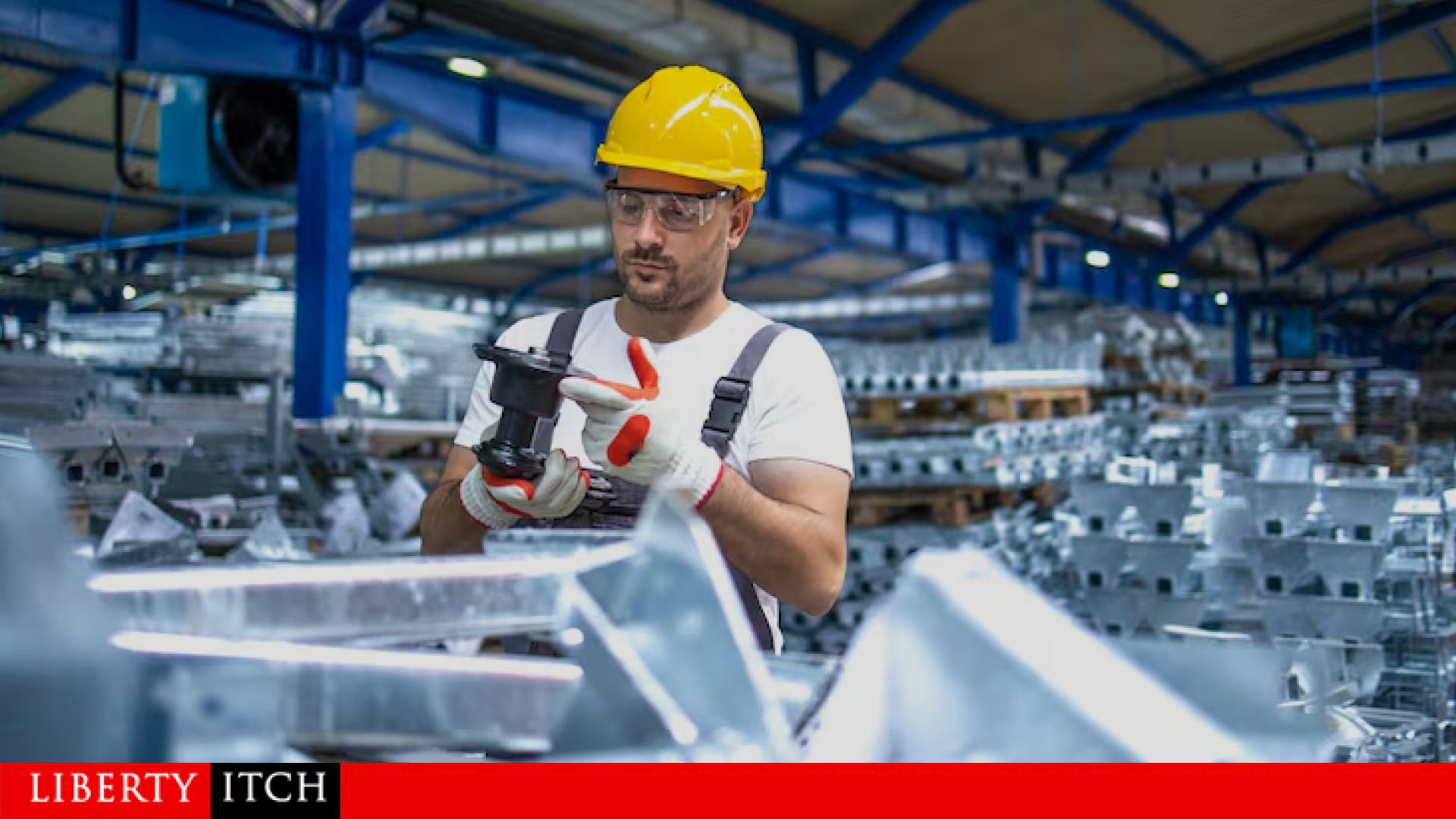
We are heat treaters (modern-day blacksmiths), and by necessity use a lot of energy for our processes. We need to heat up engineered and manufactured metal components, to (in most cases) harden them through metallurgical processes.
We use large amounts of electricity and numerous types of energy intensive gas including natural gas, oxygen/acetylene mixes, LPG (propane), nitrogen and ammonia.
Any increase in energy pricing has a negative effect on our business. We get no government assistance and there is no government acknowledgement of the essential nature of our business to the Australian manufacturing industry.
If it’s good enough for Europe, Canada, the USA, why do Australia politicians think they know better?
Without heat treatment, most manufacturing would cease, as nothing could be finished off (hardened) and all parts would need to be imported, creating time delays, cost increases, and an unhealthy reliance on global supply chains.
Think of all the critical infrastructure projects like power stations, water treatment plants, mining, agriculture and the many types of transport that would require 100% import of spare parts if heat was not done here in Melbourne, Victoria.
But that doesn’t suit the current political narrative: politicians and bureaucrats have no understanding of not only business, but the importance of essential engineering to our national independence. Our Sovereign Capability is at extreme risk.
We are not just facing increased prices for electricity (and other energy sources), but we (Victoria) will also soon have blackouts like the other stupid countries that have shut down their coal fired power stations without first ensuring replacement sources.
What amazes me is the ideological pursuit of high energy input (embodied energy) wind and solar, to supposedly lower the world’s output of CO2, when in fact the opposite is the case.
These so-called renewable energy components (wind turbines and solar farms) actually increase the output of CO2 globally due to their embodied energy, if you follow their manufacturing supply chain and energy input.
These technologies do offer remote access to electric power where connection to the grid is not possible. But to replace the entire balanced grid with unstable sources of power – such as wind and solar – is asking for industrial disaster. I’m a Materials Engineer so I do understand the whole picture, unlike our politicians and bureaucrats.
Did I mention the disastrous carving up of precious agricultural land and farming businesses for an entirely new grid network? The current grid is designed for a balanced and tuned load between supply and demand, and only large generators can provide this.
There is no government acknowledgement of the essential nature of our business to the Australian manufacturing industry.
Nicola Tesla designed the system over a century ago while he was inventing the 20th Century. The only new way to lower the world’s output of CO2 while ensuring on-call demand and a balanced grid, to replace coal power stations, would be with nuclear power. If it’s good enough for Europe, Canada, the USA, why do Australia politicians think they know better?
Modern nuclear designs are inherently safer, except for terrorist attack or sabotage. Chernobyl type designs were never adopted by the west as the design was considered too dangerous. Fukushima ultimately failed because the final diesel back-up generators of the American designed plant were at basement level, being safe from USA earthquakes but not Japanese tsunamis. This was a preventable disaster.
The right design – fit for purpose, like most things - is what Australia needs if we are to have a stable, sustainable cost-effective energy supply. One size does not fit all, and manufacturing should be considered an essential Sovereign Capability with a guaranteed, cost effective, stable and sustainable energy supply.
