


Homeschooling, or home education, is experiencing explosive growth across Australia.
Registrations have surged from around 20,000 in 2018 to over 45,000 by 2025, with States such as Queensland seeing increases exceeding 110% in primary and 167% in secondary levels. New South Wales and Victoria report similar dramatic rises.
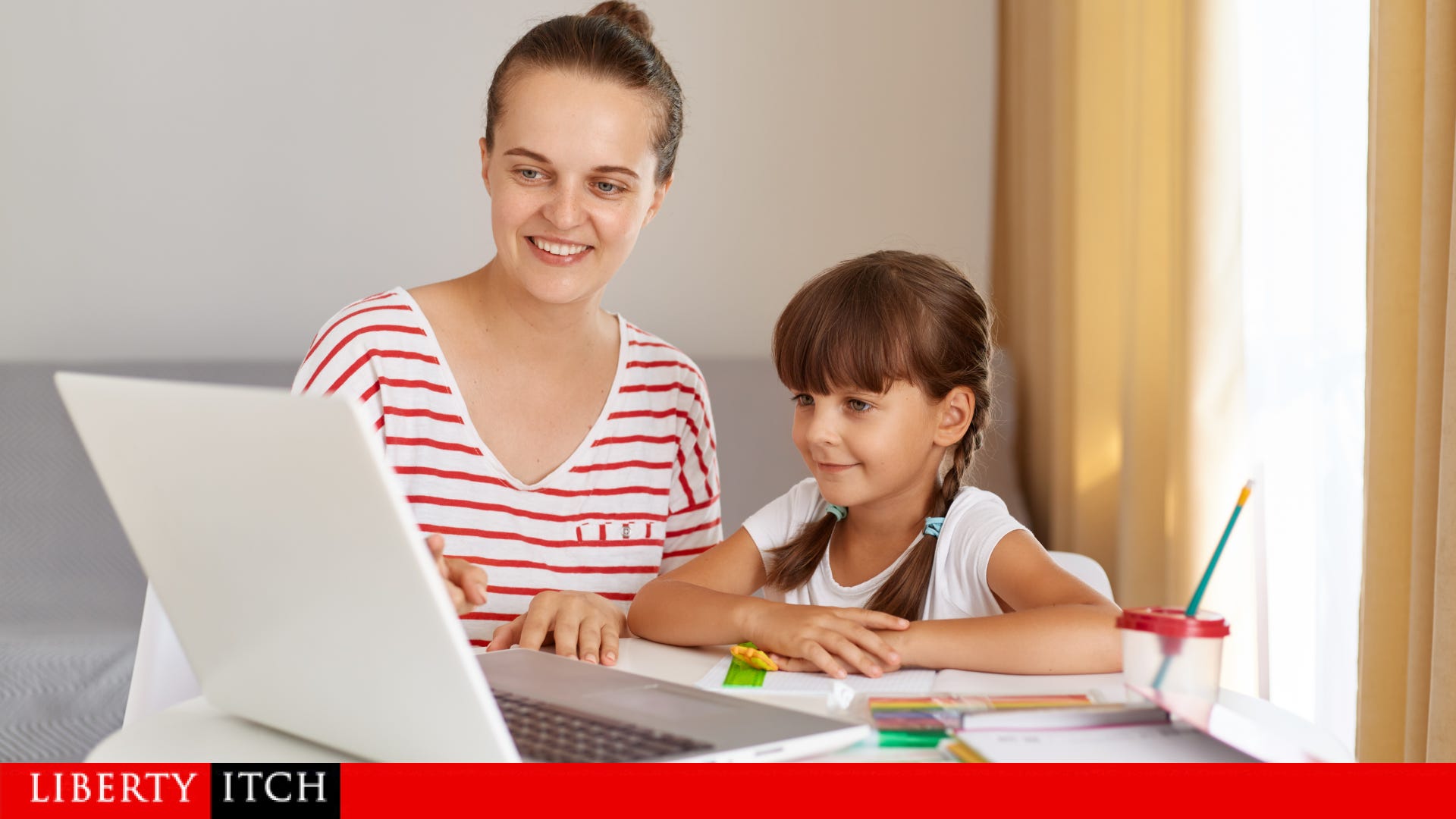
This trend represents far more than a niche choice—it embodies a libertarian resurgence in parental authority and individual educational freedom against the creeping monopoly of state-controlled schooling.
In a country where compulsory government education has long been the default, families are reclaiming their natural right to direct their children’s upbringing.
Homeschooling is legal nationwide, though bureaucratic hurdles vary by state and often demand learning plans, periodic reviews, and alignment with the Australian Curriculum. These requirements themselves highlight the tension: parents exercising independence must still seek permission from the same state apparatus they are seeking to escape.
The core academic advantage lies in radical personalisation. Traditional classrooms enforce a one-size-fits-all model dictated by government bureaucrats and union interests.
Homeschooling rejects this central planning.
Parents tailor instruction to a child’s unique pace, talents, and curiosities, enabling mastery-based progression rather than age-based conformity.
Australian data consistently shows homeschooled students outperforming state averages on NAPLAN testing, with advantages persisting even upon return to conventional settings.
It empowers parents to reject mediocrity by monopoly and instead cultivate independent minds equipped to thrive in a free society.
Free from repetitive drills and institutional pacing, children delve deeper into interests, integrating real-world learning—budgeting at markets, biology in the garden, or history through family travels. This approach aligns with libertarian principles of spontaneous order and individual discovery.
Without rigid bells or standardised testing quotas, learning becomes efficient and joyful. Families draw on diverse voluntary providers: curricula from Euka Future Learning or My Homeschool, private tutors, online platforms, and community co-operatives. These emerging educational markets demonstrate how competition and choice outperform monopolistic public systems.
Reduced homework and flexible schedules prevent burnout, fostering genuine intellectual curiosity rather than compliance.
Mental health and family well-being gain immensely.
Government schools expose children to peer pressure, bullying, and the ideological conformity often pushed by state-approved materials.
Homeschooling shields young minds from these while allowing more sleep, exercise, and unstructured play—essential for developing resilient, independent thinkers.
Parents report stronger bonds, deeper communication, and the ability to address neurodiverse needs (autism, ADHD, giftedness) without battling under-resourced bureaucracies. In libertarian terms, this restores the family as the primary institution of society, superior to distant state mechanisms in nurturing emotional security and character.
Socialisation myths crumble under scrutiny. Homeschooled Australian children easily engage across age groups through sports clubs, arts co-ops, community events, and mixed-age learning groups. This produces superior outcomes: greater empathy, leadership, and real-world confidence compared to institutional segregation by age.
Voluntary association, not compulsory proximity, builds authentic social skills. Many homeschooled teens transition seamlessly into university or entrepreneurship, demonstrating self-motivation and maturity prized in free societies.
Economically and philosophically, homeschooling advances liberty. It reduces reliance on taxpayer-funded systems, potentially easing fiscal burdens on the state. Families save relative to private schooling while investing directly in resources aligned with their values.
For rural, remote, or shift-working Australians, it offers unmatched flexibility untethered from bureaucratic calendars. During disruptions like pandemics, homeschoolers adapted rapidly through family ingenuity and market innovations, unlike rigid public institutions.
Critics, often defenders of the status quo, raise concerns about oversight and socialisation. Yet evidence from growing numbers and strong outcomes refutes this.
Success hinges on parental dedication and voluntary networks such as the Home Education Association, which provides advocacy, resources, and mutual support—civil society at its finest, operating without coercive mandates.
This approach aligns with libertarian principles of spontaneous order and individual discovery.
Libertarians rightly view compulsory schooling as a relic of 19th-century nation-building that centralises power over minds. State education risks ideological capture, stifles diversity of thought, and treats children as collective assets rather than individuals with rights mediated through parents. Homeschooling counters this by affirming parental sovereignty—the fundamental liberty to raise one’s children according to personal ethics, culture, or faith without state permission slips for basic upbringing. It encourages personal responsibility: parents who choose this path invest time and effort, reaping rewards in capable, principled offspring.
Challenges, however, do exist. Homeschooling demands significant commitment, financial trade-offs for single-income families, and navigation of regulatory mazes in some jurisdictions. Not every parent can or should homeschool. Yet for those who do, the advantages compound: superior academics through customisation, enhanced well-being free from institutional stress, rich voluntary social experiences, and education aligned with family values rather than government agendas.
As registrations climb, Australia’s homeschooling families illustrate a powerful truth: decentralised, parent-driven education produces better results while expanding human freedom. In an age of expanding state influence over childhood, home education stands as a bulwark for individual liberty, family autonomy, and voluntary cooperation. It empowers parents to reject mediocrity by monopoly and instead cultivate independent minds equipped to thrive in a free society.
For the libertarian-minded, homeschooling is more than an educational option—it is a declaration of independence from the collective and a recommitment to self-reliance and parental duty.
As more Australians embrace it, the advantages will only grow clearer: freer families raising freer, more capable individuals.
