


For decades, global trade has operated on a simple premise: you can trust the dollar system no matter who you are. Businesses and nations can move value across borders with confidence and payments will arrive safely, legally and without intermediary interference.
That assumption has been fractured. One of the clearest pressure points is the Strait of Hormuz, a narrow stretch of water responsible for roughly one fifth of global oil flows. In stable times, it is simply another trade route. In periods of tension, it becomes something else entirely: trade leverage.
Recent reports indicate that vessels seeking passage through the strait may face restrictions, delays and/or additional conditions. More notably, there are indications that alternative methods of payment, ones that sit outside traditional financial systems, are being considered to facilitate that passage.
That is a detail that should make you sit upright in your chair. When one of the world’s most critical energy corridors begins exploring alternate ways to operate outside conventional financial rails, the issue is no longer purely geopolitical. It becomes monetary. Global trade does not just run on oil; it runs on settlement systems. And when settlement becomes uncertain, everything connected to it begins to shift.
Since the outbreak of the Russia–Ukraine conflict, sanctions, asset freezes, confiscation and payment restrictions have become standard tools of international statecraft. Each use sends a message not just to the target nation, but to every country observing from the sidelines. The message is clear: access to the global financial system hinges upon certain behavioural conditions.
What begins at the level of global trade eventually filters down to individuals
That is an emerging issue for many governments which find themselves straying from the list of approved behaviours. When international trade participants begin to question whether they can reliably settle trade in reserve currencies, when payments can be delayed, blocked or even confiscated, and access to banking infrastructure withdrawn, the system itself starts to lose its perception of neutrality.
As trust declines, people’s behaviour naturally changes too. Participants do not just protest; they also adapt. If traditional settlement becomes uncertain, trade does not stop, it reroutes. Countries begin to explore bilateral agreements. Local currency settlements increase. Swap lines expand. And increasingly, digital assets begin to enter the conversation. Not because they are perfect, but because they are available.
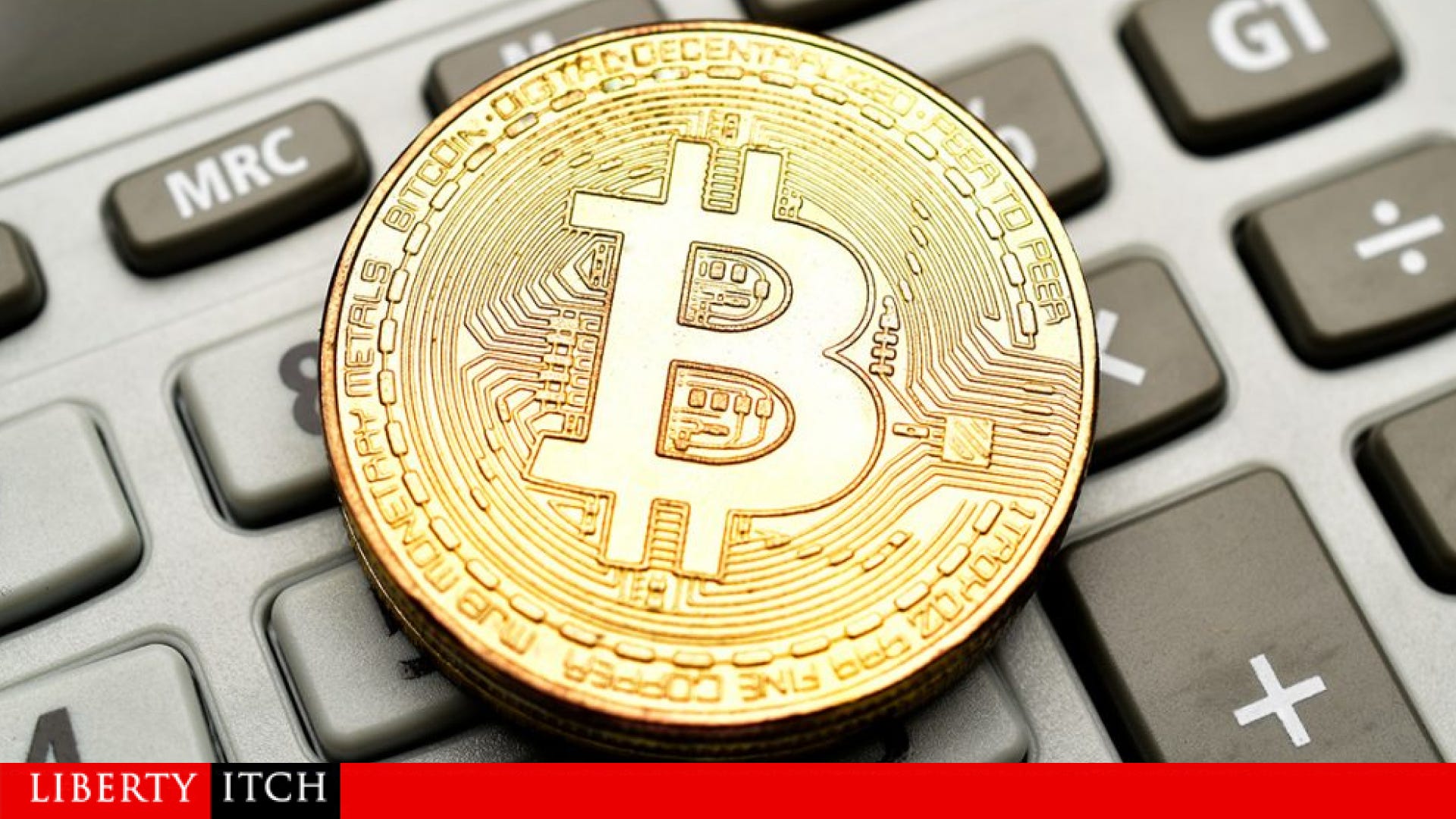
This is where Bitcoin has begun to re-emerge; not as a speculative asset, but as a potential settlement layer.
It’s important to understand that Bitcoin does not require anyone’s permission, which is a huge part of its attractiveness. It does not rely on cooperating banks or central clearing systems. It allows two parties, anywhere in the world, to transfer value without needing approval from an intermediary.
That does not make it dominant, but it does make it different. As it stands, Bitcoin is not untraceable and it is not yet capable of handling the full scale of global trade settlement. But it offers something that is becoming increasingly scarce: a neutral infrastructure layer that is not owned or controlled by any single nation. That distinction is critical. In a world of vastly competing interests, neutral systems become valuable.
That role was traditionally filled by commodities like gold; assets that existed outside the control of any one government. What is now emerging is the digital parallel. Not a replacement for existing systems, but a complement to them. Instead of relying on political alignment, they rely on consensus rules. Instead of relying on intermediaries, they rely on verification. Instead of relying on goodwill, they rely on transparent networks.
That shift matters. It lowers the barrier to trade in a world where political alignment is becoming far less certain. For Australia, this is not a theoretical discussion. We are a trading nation. We export energy, resources, and food to global markets. Our prosperity depends on reliable, efficient settlement systems. If those systems begin to fragment, if global trade moves toward a hybrid model of traditional and neutral rails, then we must be prepared to operate in both of these emerging environments.
That means we need to understand the technology. We must recognise the risks and ensure that Australian businesses are not locked out. Practical policy does not chase hype, but it does not ignore structural change either. When money changes, society naturally follows.
Global trade does not just run on oil; it runs on settlement systems.
If global trade begins incorporating neutral settlement layers, several outcomes become more likely. First, power decentralises across the globe. Nations that once exercised influence through financial gatekeeping may see that leverage substantially reduced. At the same time, smaller players, including businesses, will gain more flexibility in how they transact.
Second, volatility increases before stability returns. Transitions between systems are rarely smooth. As new rails develop alongside existing ones, there will be inefficiencies and uncertainty. That is the cost of change.
Third, awareness grows. What begins at the level of global trade eventually filters down to individuals. People begin to ask fundamental questions: What is money? Who controls it? And what happens when that control shifts?
Finally, accountability improves. When systems become more transparent and transactions can be verified rather than assumed, the margin for mismanagement narrows significantly. That is not just a technological shift, it is a societal one.
The developments around the Strait of Hormuz may or may not represent a permanent turning point. The use of alternative payment methods during periods of conflict is not new. But the direction is becoming clearer. When trust erodes, systems do not collapse overnight, they morph and adapt. Quietly at first and then all at once.
