


A reality check for weekend “outlaws”
We all like to hate cyclists for being precious, self-righteous and over-full of their own entitlement. But there’s another group of road users very nearly as self-righteous and with a towering entitlement complex.
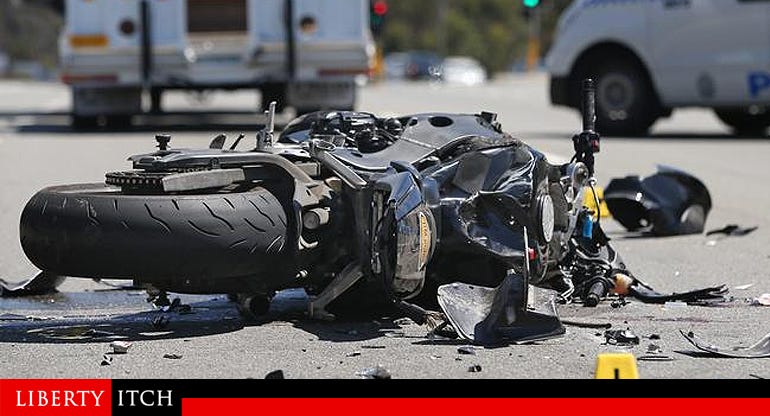
Motorcyclists.
You can hear the howls of outrage already. Because no-one, not even cyclists, are as immune to self-reflection as too many motorcyclists. And I say that as someone who rode a motorcycle as my daily commute for years, even in the depths of Tasmanian winter (stopping to scrape ice off your visor is quite the experience).
Motorcyclists are particularly averse to admitting that they might ever be in the wrong, when it comes to their outsize rates of crashes. Which has practical implications when it comes to the registration fees road users, two and four-wheeled, are forced to pay. Fees which in every state include some form of insurance to cover crashes.
Some libertarians argue that it’s unfair that all users pay the same fee. Instead, the fee should be weighted toward those most likely to be in or cause crashes.
Combination of rusted-off inexperience combined with over-confidence made them particularly dangerous.
Be careful what you wish for, because here’s the triggering fact: it’s more often than not their own fault, not car drivers.
Regardless of just-so stories of “This one time, a car…”, the data is unambiguous.
In Victoria, motorcycle crashes are evenly split between suburban and country roads. On country roads, 52% are single vehicle crashes (can’t blame cars for those) and 28% are overtaking/head-on crashes (in other words, racers trying to beat oncoming cars).
Only on urban roads less than 60 km/h are crashes more likely to involve another vehicle (64%). But even of those, the data shows that in fatal multi-vehicle motorcycle crashes in Australia, the motorcyclist is deemed to be at fault in just over half (51%) these crashes. Just one-third of crashes are solely the fault of a vehicle other than the motorcyclist.
So, sorry, bikers: most of the time it is your fault.
And you can’t blame the “boy racers”, either: the single most likely age group to be injured or killed are males aged 40-59. In 2023, Queensland Police Superintendent Douglas McDonald noted that, “Anecdotally, we've seen an increase in motorcycles purchased during COVID”. Those bikes are ridden, McDonald said, by “less experienced” riders.
He’s talking about you, Harley McMidlifecrisis.
When I got my motorcycle licence, the instructor noted that, as with every class, there were a fair number of older riders who were getting back on two wheels for the first time since their misspent youth. Their combination of rusted-off inexperience combined with over-confidence made them particularly dangerous.
Be careful what you wish for, because here’s the triggering fact
So, of course there was Old Mate with his “This one time, a car…” story. Which included the classic line, “I could tell he hadn’t seen me”. To which the instructor replied, “So, why didn’t you do anything about that?”
His point was, you know cars won’t always see you, you know bikes are far less visible than cars – so ride like it. The car might be at fault (though much less often than self-righteous riders want to believe), but where’s the victory in pointing that out from your hospital bed?
And that’s just in the minority of crashes where it is the car’s fault. Of course cars are never not at fault in motorcycle crashes, but the facts don’t support the riders’ self-serving narrative, either.
So, get off your high iron horse, and take a bit of responsibility – and maybe consider shouldering appropriately higher rego fees.

This article read like someone who really just needed to get a special interest/hyperfocus gripe off their chest and contributes little to a classical liberal conversation.
In a world where government licensing and compulsory insurance schemes like the TAC didn't exist, the free market in insurance would price risk based on statistics. If they are as you say, the premiums for motorcyclists would be higher.
While the government is interfering, calling for it to interfere harder in the name of equity is unedifying.