


In my previous article, I described the broader problems that come with legislation seeking to ban the display of symbols. In this article I will discuss some of the more specific situations in which individuals and groups may find themselves in legal trouble for the use of banned symbols in the course of both political and non-political expression.
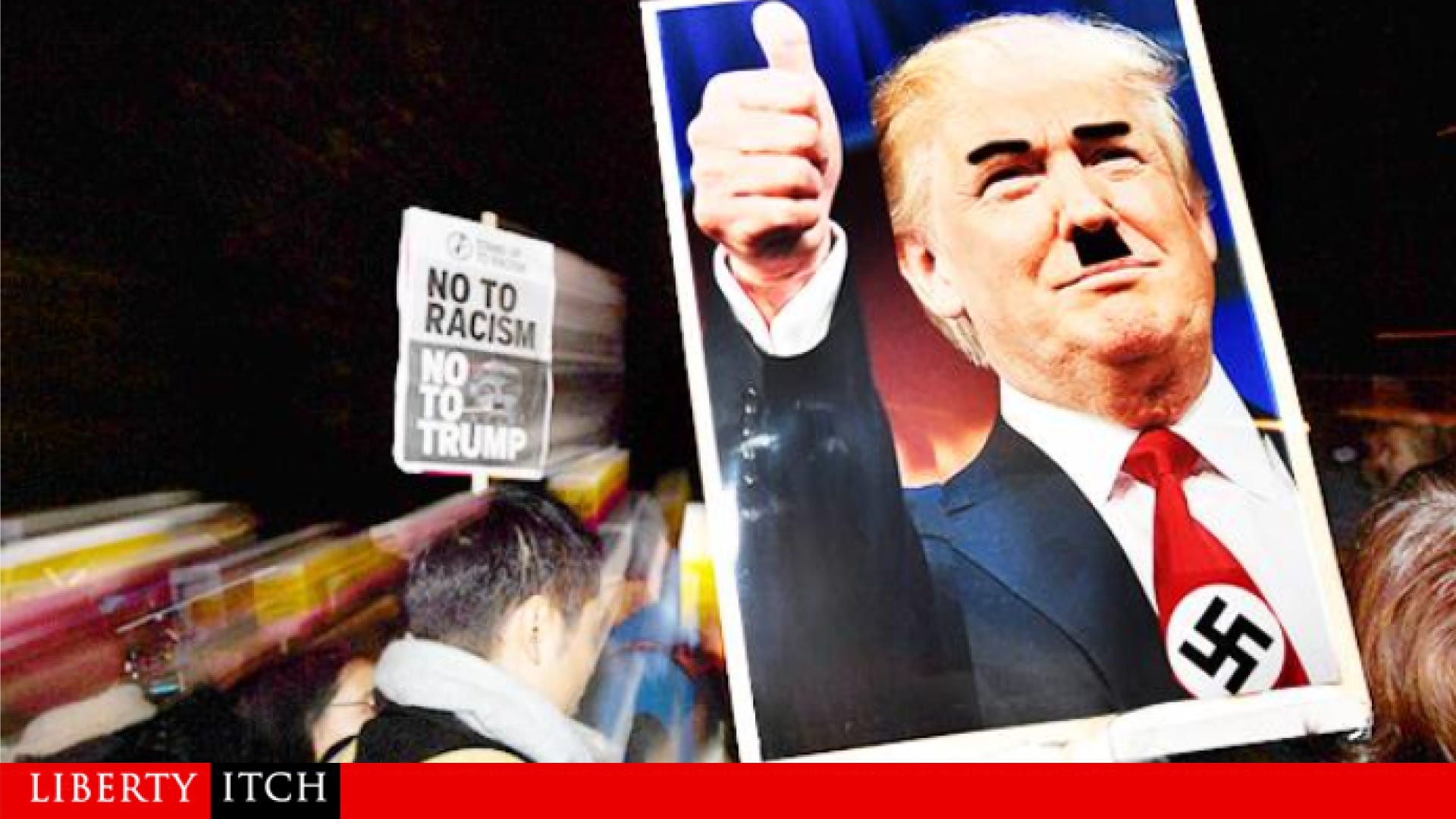
The threat posed to artistic and comedic expression is significant, especially when posting memes using prohibited symbols in a satirical manner. This is especially relevant to the significant societal stigma and misunderstanding surrounding dark and offensive humour and the lack of requirement for malicious intent in regards for the use of prohibited symbols.
Those who use prohibited symbols (particularly the swastika) to make political comparisons on protest signs, flyers or street art as a form of political commentary also find themselves in legal jeopardy. Such commentary has long been used by various parts of the political spectrum to criticise political figures who are, or are perceived to be, authoritarian or supportive of authoritarian policies. I will include some examples below.
Even though there is meant to be an exemption for criticisms of fascism, there is no protection for the use of prohibited symbols for political comparisons.
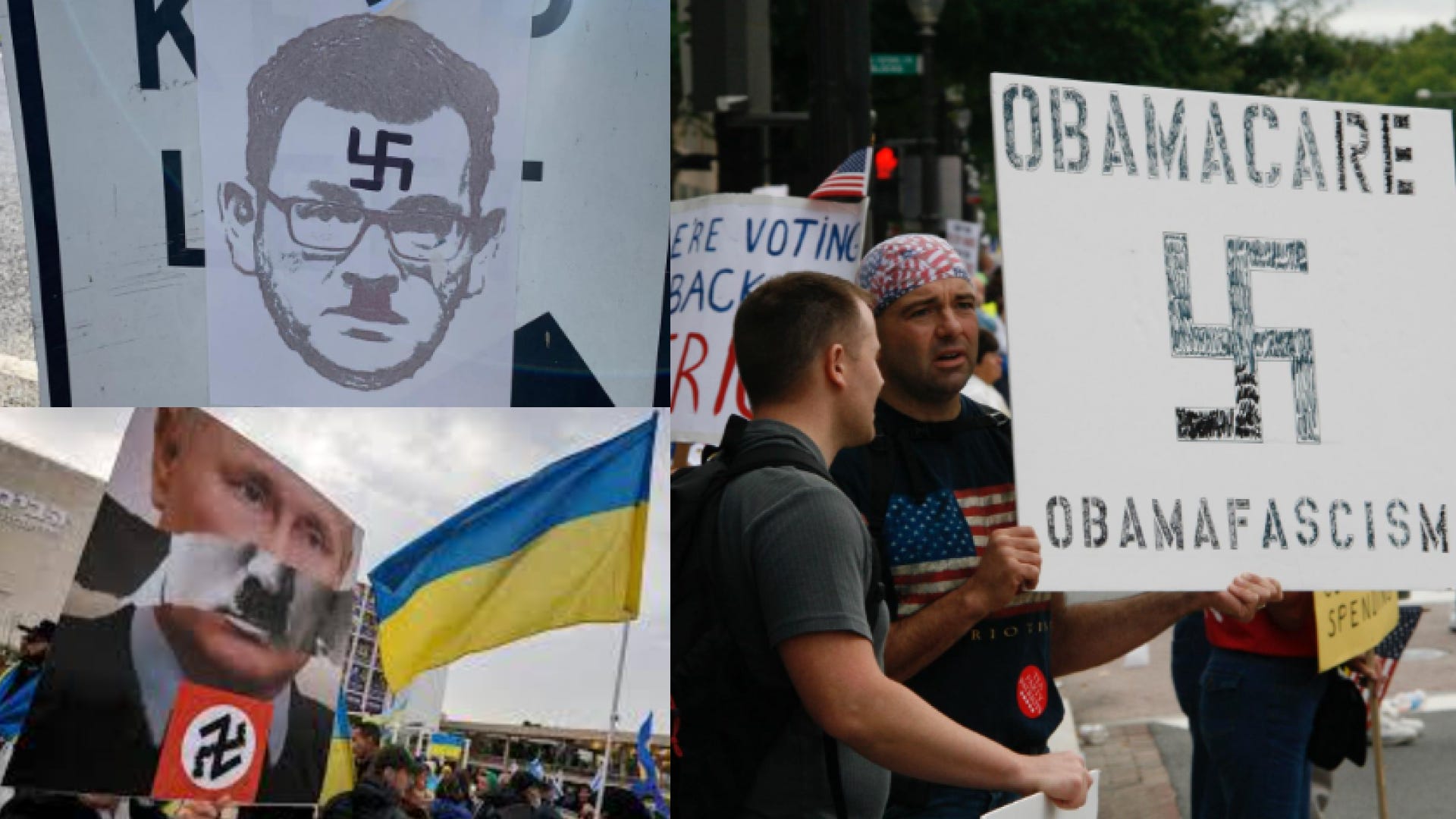
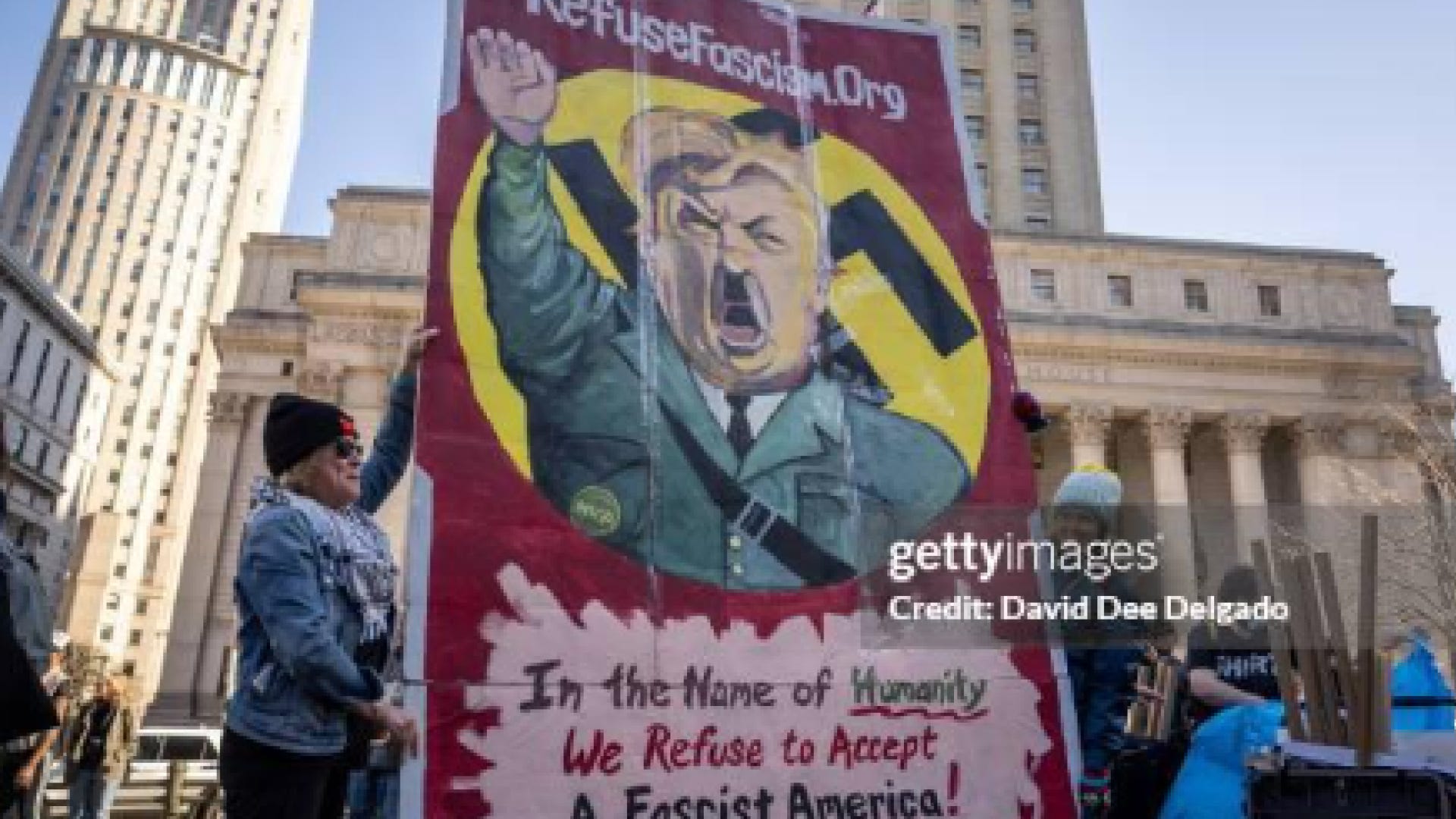

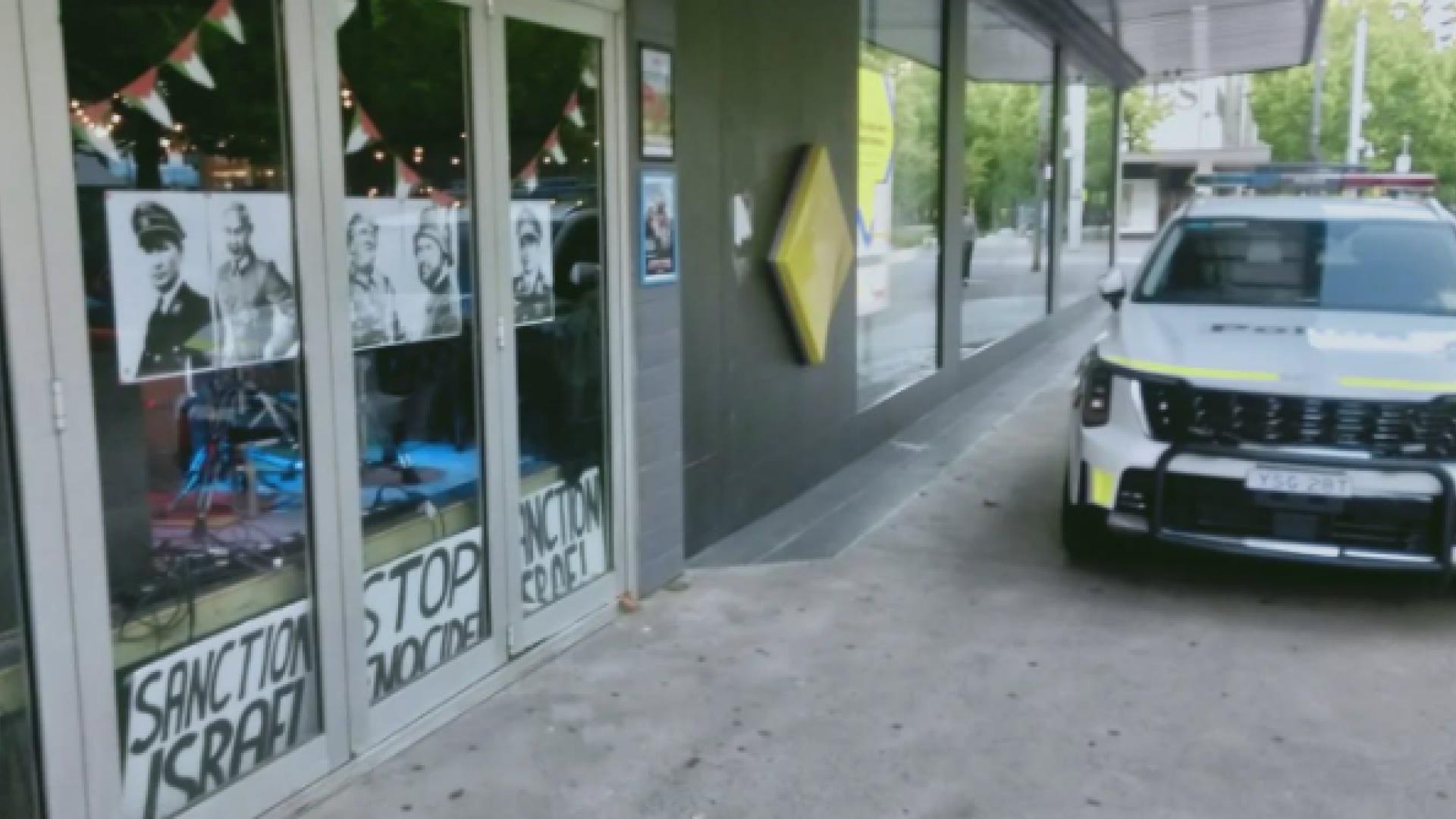
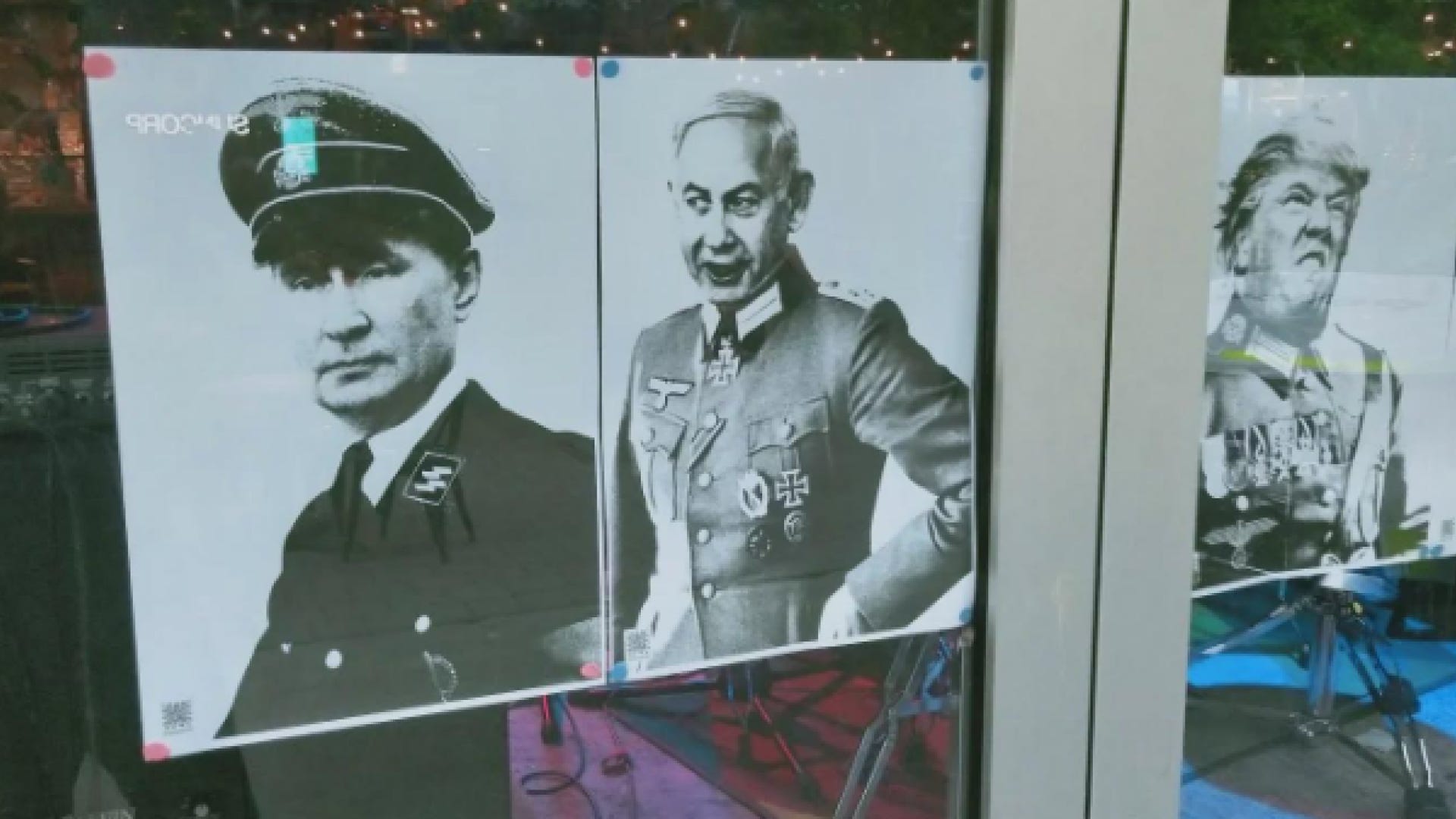
There are real-life examples of people being impacted by the legislation in this way: Alan Yazbek (the man in the third to last photo) was one of the first people to be arrested (and later pleaded guilty) under the NSW prohibited symbols legislation, and the last two images are from Dissent Bar and Cafe in Canberra which was recently raided by ACT Police over the displayed posters.
These examples show how legislation can be used to target those who were not the initial intended target of the legislation. Even though there is meant to be an exemption for criticisms of fascism, there is no protection for the use of prohibited symbols for political comparisons when the target of the comparison is authoritarian but not fascist.
Another cohort facing significant problems is spiritual groups such as neo-Pagans. Although there is a defence for the religious use of prohibited symbols, this exemption does not extend to spiritual groups that are not part of a legally recognised religion. Given the overlap of Nazi symbols and Pagan symbols due to the Nazi appropriation of Pagan symbolism, members of these groups risk being subject to legal proceedings. There is also the matter of whether a casual practitioner of Buddhism could find themselves criminalised if the government decides they are not devout enough.
Another major concern is the criminalisation of those who display the symbols in the course of social commentary and blogs. Although there are meant to be exceptions for reporting events in the community in a ‘fair and accurate’ report, articles which use prohibited symbols in social commentary risk legal problems with the only potential defence being whether an article could be deemed educational or academic enough by government authorities.
And are there in practice different rules for major publications and minor publications for the display of prohibited symbols? Could minor publications that use prohibited symbols to report and comment on current events face charges if the government disagrees with what was written due to the ‘fair and accurate’ requirement?
Offensive humour and the lack of requirement for malicious intent in regards for the use of prohibited symbols.
I personally have displayed some of the prohibited symbols in the course of social commentary throughout this series. For example, I believe displaying the symbol in the first image to be necessary to show what most people would not realise is a prohibited Nazi symbol to support my argument. I also believe the images of protest signs that happen to contain Nazi symbols are a necessary addition to show examples of what is now a criminalised form of political commentary. And yet, could I be breaking the law in using these symbols in my articles?
The legislation also creates legal risks for ordinary people when it comes to the ignorance of others. For example, if I were to publicly post this image of myself outside a Buddhist shrine that I found in Kyoto on my trip to Japan last year that happens to contain a swastika, would I be arrested if someone doesn’t understand the context of the swastika and reports it?

Process is punishment even when charges are dropped. Most people in Western countries don’t know the context of the swastika and it is stupid to punish people for ignorance of others.
In my next part of this series, I will focus on bans on gestures and slogans such as in recent legislation in Queensland, along with how I believe such legislation is counterproductive when used against actual Neo Nazis and associated groups.

Bureaucrats are letter-of-the-law prosecuting drones - there's no nuance in an authoritarian, top-down system. Sunlight is the best disinfectant, but government can't control it ... yet.
Of interest and concern is the selective nature of such regulations. If I was to wear a swastika or place one on a website it is likely that I would face prosecution. However, a hammer and sickle would not raise an eyebrow. Communists have committed many more atrocities than the Nazis ever did, yet their symbol is acceptable?