


Is it ever acceptable to do a Nazi salute? In this article, I will focus on legislation affecting gestures such as the Nazi salute along with bans on slogans as has recently been introduced in Queensland.
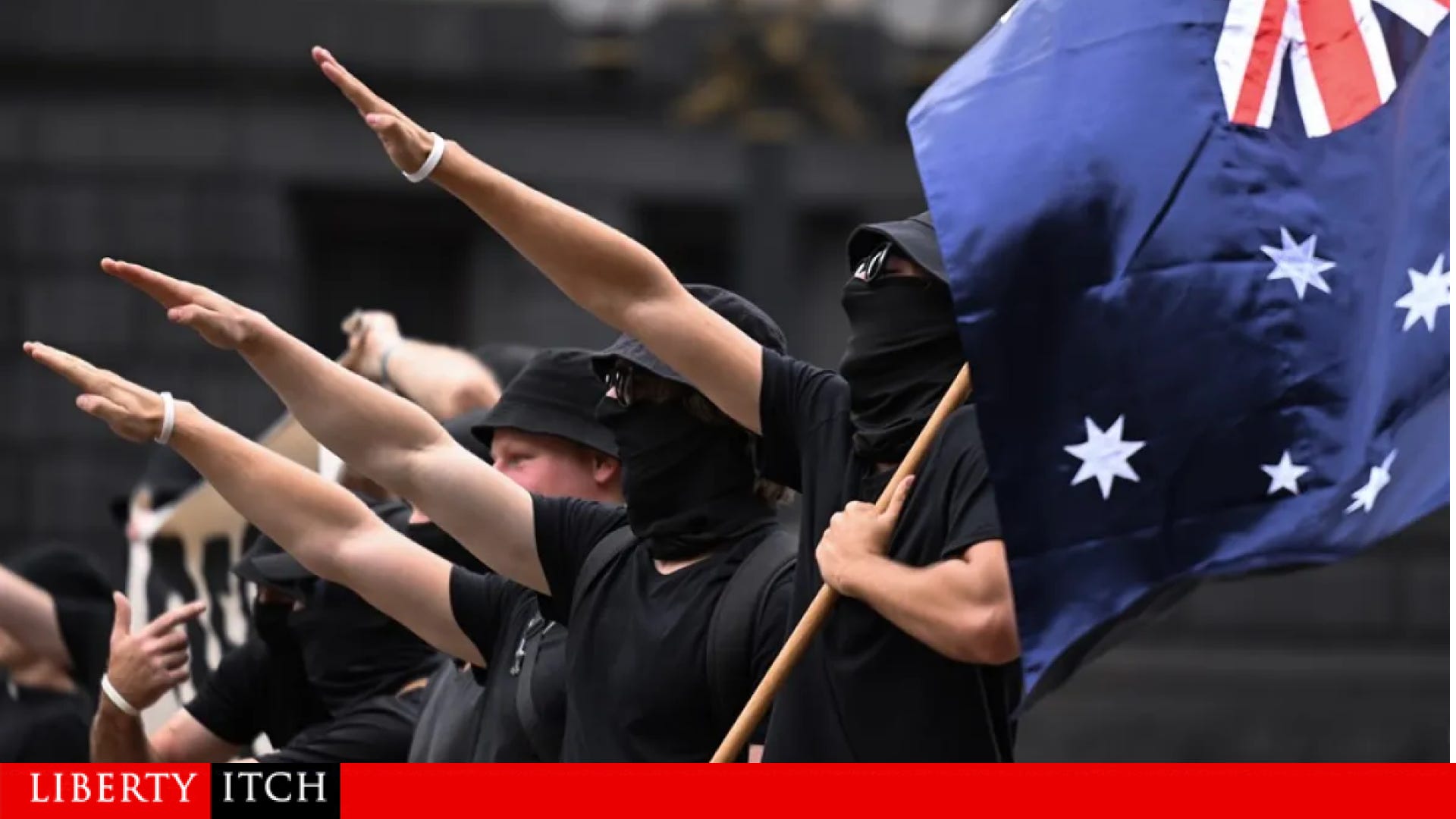
To answer my initial question, I would say yes. For example, Nazi salutes are sometimes used in a mocking manner as form of protest against authority figures such as teachers, police officers, prison guards and politicians.
Nazi salutes can also be used in the course of satire. For example, a comedy show at the Adelaide Fringe had one of the comedians doing a segment on offensive gestures in which she did a Nazi salute as an example of one of the responses she received when asking members of the audience to do their favourite rude gesture.
Political crimes is a source of pride rather than shame for the individual.
In 2016, YouTuber Count Dankula made a video of his girlfriend’s pug which he taught to do a Nazi salute as a joke, yet was targeted by Scottish authorities because of it. Given this, I would argue that legislation banning the Nazi salute has the effect of chilling expression that has nothing to do with promoting the Nazi ideology.
As for bans on slogans, I find the legislation in Queensland deeply concerning. The legislation, recently passed, allows the Queensland attorney-general to proscribe certain slogans with no court oversight, and allows a person to be arrested if someone claims they are even slightly uncomfortable when the proscribed slogan is used.
As of now, two slogans have been designated as proscribed phrases:
From the river to the sea, Palestine will be free/ From the river to the sea
Globalise the intifada
Legislation that bans slogans is subject to the same issues as legislation that bans symbols. For example, could I be arrested if I go to Queensland and tell people about my Year 10 school camp where we kayaked down a river to the sea?
It is clear this legislation is so far having the opposite effect of what is intended. The arrests have attracted national attention and public outcry will continue as the Queensland government continues its crackdown.
Legislation that bans symbols, slogans and gestures is in practice counterproductive and is particularly ineffective against ideologies such as Nazism and socialism, which base their ideological narrative on victimhood and an ongoing struggle against their perceived political enemies.
It does not eliminate the factors that drive hateful ideologies, nor does it make them abandon such beliefs. In fact, it makes martyrs out of those who would otherwise be unknown nobodies as arrests attract attention from both the media and members of the public leading to increased attention for the individual and their political ideology.
Nazi salute has the effect of chilling expression that has nothing to do with promoting the Nazi ideology
As every political activist already knows, getting targeted for the peaceful expression of ideas makes you look good and the government look bad. Unlike with other crimes, getting arrested for political crimes is a source of pride rather than shame for the individual.
It can also inspire backlash against the groups it seeks to protect and can drive further hatred by associating the protected group with ‘crackdowns on democratic freedoms’. Especially when the enforcement of the legislation disproportionately targets or seeks to protect a specific group.
It even makes it easier for actual neo-Nazis and other extremists to hide in plain sight. Without the display of their symbols, they can more easily blend in and infiltrate protests and organisations such as happened at the March for Australia.
I believe allowing groups such as neo-Nazis and other extremists to out themselves is the preferred option as society can be more informed and aware of their presence and numbers, and deal with it in an informed way.

Well done Queensland, you effectively criminalised "Two Strong Hearts" by John Farnham. When they ban "That's Freedom" we're officially screwed.
History is clear: banning symbols, slogans and gestures doesn’t defeat bad ideas — it often strengthens them.
🔹 Prohibition turns fringe views into martyrdom narratives
🔹 It shifts attention from ideas to “persecution”
🔹 It drives movements underground where they’re harder to track
🔹 It risks sweeping up satire, protest and legitimate expression
From Europe to the UK to modern Australia, the pattern repeats:
👉 Suppression amplifies visibility, not eliminates it
⚖️ Bad ideas are beaten by:
➡️ Open debate
➡️ Exposure
➡️ Social rejection
—not by giving governments broad powers to police speech.
🚫 Don’t create martyrs out of extremists
✅ Defeat them in the open, where society can see and reject them
Free societies win arguments — they don’t ban them.