


Australia can be the luckiest country in the world and the dumbest country at the same time.
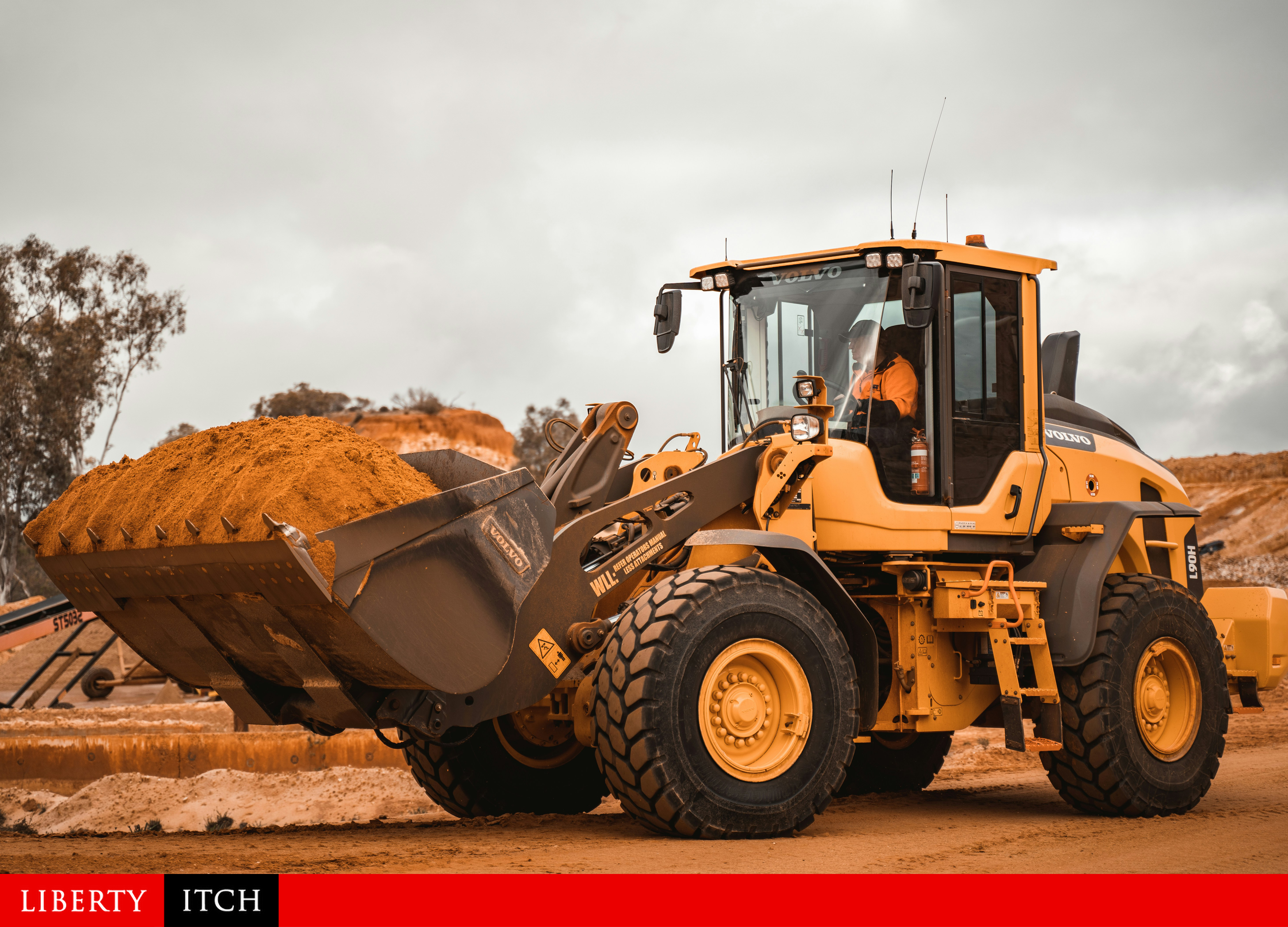
No other nation on earth has been handed a better set of natural advantages and then worked so hard to squander them.
We sit on mountains of iron ore, oceans of gas, vast reserves of coal, lithium, uranium, rare earths, copper and bauxite. We have some of the best agricultural land on the planet, enormous coastlines, political stability, abundant sunshine and proximity to the fastest growing region in the world. By every natural measure, Australia should be an industrial superpower.
Instead, we increasingly behave like a quarry with a housing market attached.
Countries with virtually no natural resources, like Japan, became manufacturing giants through discipline, industrial planning and national ambition. Japan imports the raw materials it needs because it has no choice. Australia exports its raw materials because it increasingly seems incapable of doing anything else.
By every natural measure, Australia should be an industrial superpower.
That is not clever economics. That is national laziness dressed up as economic sophistication.
Australia digs it up, ships it out and then buys it back at ten times the price after another country has refined it, manufactured it and added value to it. We export iron ore and import finished steel. We export lithium and import batteries. We export gas while Australian manufacturers pay crippling energy prices. We shut down refineries and then act shocked when fuel security becomes a national issue.
It is insanity.
At some point Australians need to ask a serious question. What exactly is our long-term economic plan? Is the vision for this country simply endless immigration, rising house prices and bulk commodity exports while the productive economy slowly collapses underneath us?
Because that is where we are heading.
The political class talks endlessly about “innovation” while allowing the industrial base that actually creates innovation to erode. They speak about “the future economy” as though economies magically float into existence through PowerPoint presentations and government announcements. Real economies are built by people who make things, process things, transport things, repair things and design things.
Manufacturing is not nostalgia. Manufacturing is civilisation in physical form.
A country that cannot make things eventually becomes dependent on countries that can.
COVID exposed this brutally. Suddenly Australians discovered that global supply chains are not acts of God. They are fragile systems controlled by nations that prioritise themselves first when pressure arrives. Pharmaceuticals became scarce. Industrial components disappeared. Shipping costs exploded. Lead times blew out. The fantasy that Australia could survive indefinitely as a post-industrial service economy collided with reality.
And still many of our leaders learned nothing.
The SEMMA (South East Melbourne Manufacturers Alliance) Manufacturing Blueprint warns that Australia risks becoming “a highly taxed nation that produces little” with declining sovereign capability. That statement should terrify policymakers. Instead, it is typically dismissed as old-fashioned thinking by people who have never run a factory, never met a payroll, and never worried about keeping production lines moving.
The arrogance is breathtaking.
Modern Australia increasingly celebrates consumption more than production. We glorify property speculation while treating manufacturing as an inconvenience from the past. We reward financial engineering more than industrial engineering. We created a culture where young people are told success means sitting behind a laptop in climate-controlled comfort rather than building the physical economy that keeps the nation alive.
Meanwhile countries like Japan, Germany and South Korea quietly continue to manufacture advanced products, export value-added goods and protect their industrial capability because they understand something Australia has forgotten: wealth is not created by moving money around. Wealth is created by producing things the world needs.
Japan had no iron ore.
Japan had no coal.
Japan had no gas.
Japan had no vast continent filled with mineral wealth.
What Japan had was seriousness.
Australia has the resources but increasingly lacks the will.
A country that cannot make things eventually becomes dependent on countries that can.
We have become a nation rich in assets but poor in ambition. We think selling the farm is the same thing as building a future. We comfort ourselves with high living standards while ignoring the fact those living standards are increasingly dependent on exporting finite resources to countries smart enough to convert them into industrial dominance.
Even now the opportunities remain staggering. The South East manufacturing region of Melbourne alone contributes $54 billion in regional output and supports more than 232,000 manufacturing jobs. Manufacturing is not dead; it survives despite decades of political neglect, crushing energy prices, excessive regulation and policy instability.
Imagine what Australia could become if governments actually backed productive industry instead of suffocating it.
Imagine affordable energy.
Imagine serious local content laws.
Imagine industrial policy designed around capability rather than political slogans.
Imagine vocational education treated with the same respect as university pathways.
Imagine a tax system that rewarded production instead of speculation.
Australia should be one of the richest and most capable industrial nations on earth. The raw ingredients are all here. What is missing is leadership with the courage to think beyond election cycles and quarterly headlines.
The smartest country in the world would take Australia’s natural advantages and build the most advanced industrial economy in the Southern Hemisphere.
The dumbest country in the world would export raw materials, import dependency and slowly dismantle the industries that create real prosperity.
Modern Australia is dangerously close to doing both at the same time.

Outstanding article. Australia has every strategic advantage imaginable:
⛏️ minerals
🌏 proximity to Asia
☀️ energy potential
👨🔧 skilled workers
🏛️ stable institutions
We should be an industrial and technological powerhouse.
But the missing ingredient is political leadership with ambition and seriousness.
"What exactly is our long-term economic plan?" - It's basically shrugs and muffled laughter at this point. Other countries must be tearing their hair out WISHING they had a tenth of the resources we have.